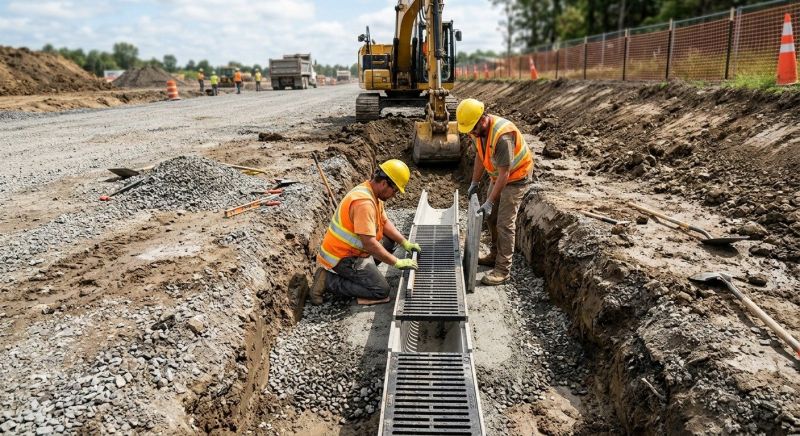
Trench Installation in Atlanta, GA
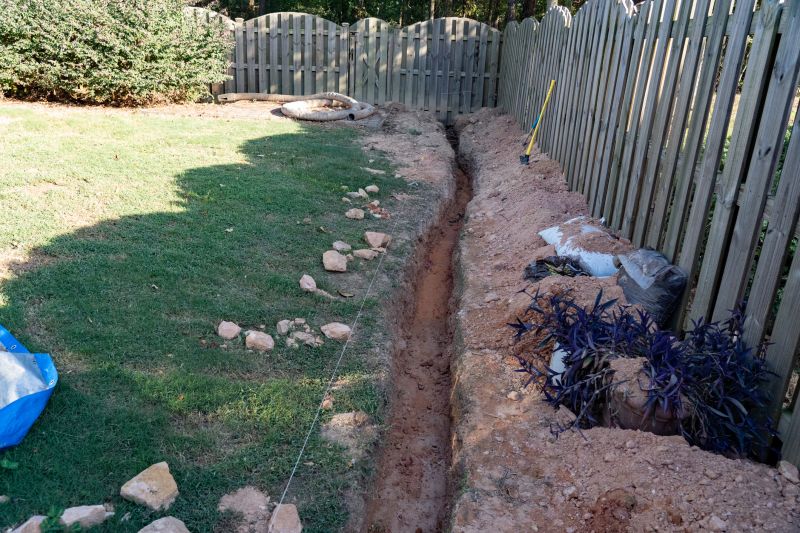
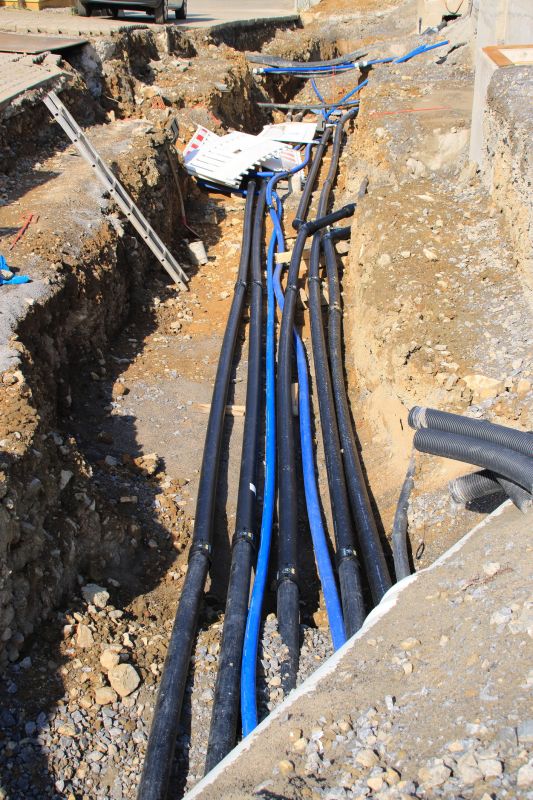
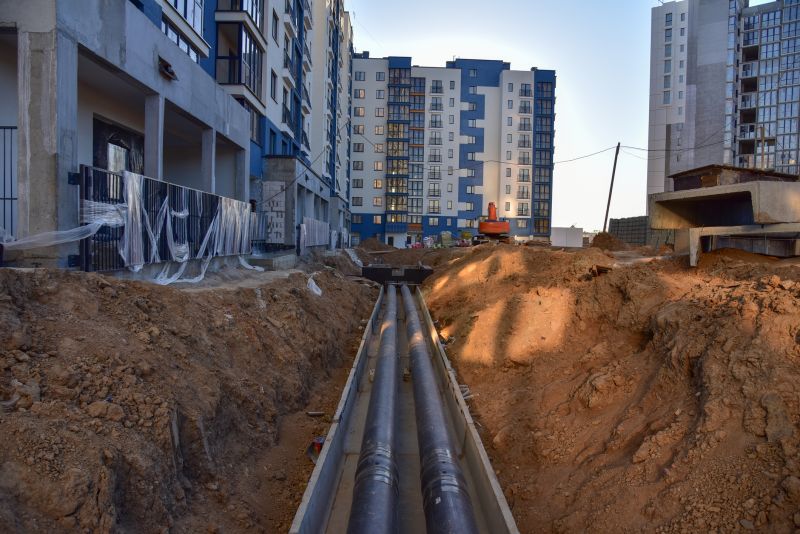
Trench installation services involve excavating narrow, deep channels in the ground to support various types of infrastructure and utility projects. This service is commonly used for installing or repairing underground utilities such as water lines, sewer pipes, electrical cables, and drainage systems. Property owners often request trench installation when planning new construction, upgrades, or maintenance that requires underground infrastructure to be safely and securely placed beneath the surface.
Before requesting trench installation, property owners should consider the purpose of the trench, the location on the property, and any existing underground utilities or structures. It's important to understand the depth and width requirements for the project, as well as local regulations or permits that may be needed. Proper planning ensures the trench is designed to accommodate the specific utility or project needs while minimizing disruption to the surrounding landscape.
Many property owners in Atlanta, GA look into Trench Installation for repairs, replacements, upgrades, and appearance-related improvements.
Foundation Support
Trenches are essential for installing or repairing underground utilities and drainage systems.
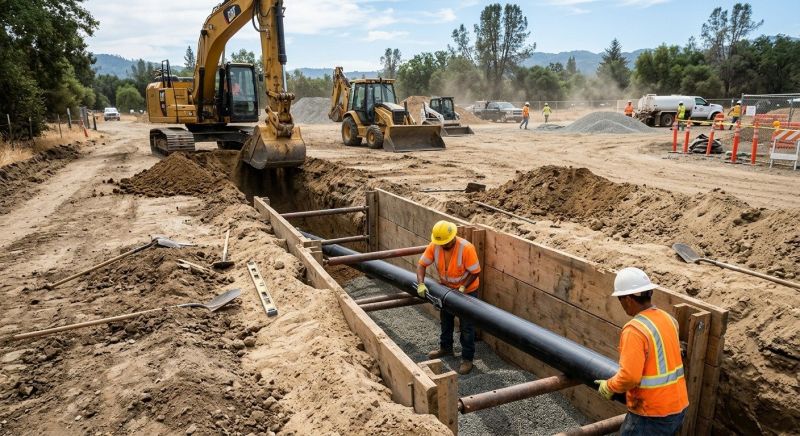
Landscaping And Drainage
Proper trenching helps improve yard grading and manages water flow around properties in atlanta.
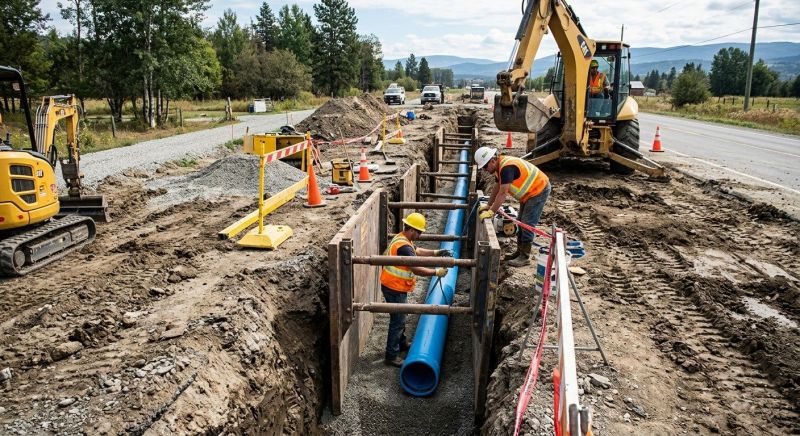
Utility Installation
Trench services facilitate the safe placement of electrical, water, and sewer lines on residential and commercial sites.
Trench Installation in Atlanta, GA

Trench installation services involve excavating narrow, deep channels in the ground to support various types of infrastructure and utility projects. This service is commonly used for installing or repairing underground utilities such as water lines, sewer pipes, electrical cables, and drainage systems. Property owners often request trench installation when planning new construction, upgrades, or maintenance that requires underground infrastructure to be safely and securely placed beneath the surface.
Before requesting trench installation, property owners should consider the purpose of the trench, the location on the property, and any existing underground utilities or structures. It's important to understand the depth and width requirements for the project, as well as local regulations or permits that may be needed. Proper planning ensures the trench is designed to accommodate the specific utility or project needs while minimizing disruption to the surrounding landscape.
Many property owners in Atlanta, GA look into Trench Installation for repairs, replacements, upgrades, and appearance-related improvements.
Common Trench Installation Jobs
Trench Drain Installation - effective for managing surface water runoff around the property.
French Drain Systems - designed to prevent basement flooding and improve drainage.
Foundation Drainage - helps protect the foundation from water damage and soil erosion.
Driveway and Walkway Trenches - provide proper slope and drainage to prevent pooling and ice buildup.
Landscape Drainage Solutions - direct excess water away from gardens and landscaped areas.
Sump Pit and Drain Trench Installation - essential for controlling groundwater and preventing flooding in basements.
Trench Installation Questions
What is trench installation used for? Trench installation is typically used for laying utilities such as water, gas, electrical lines, or drainage systems across a property.
How deep are trenches usually dug? Trenches are generally dug to depths that meet local codes and project requirements, often ranging from 12 to 36 inches.
What should property owners consider before trenching? It's important to identify existing underground utilities and obtain necessary permits before trenching begins.
Can trenches be filled and restored after installation? Yes, trenches are typically backfilled with soil and compacted to restore the surface after utility installation is complete.
Request Trench Installation in Atlanta, GA
Use the quote form on this page to share the basics of your project and request more information for the type of work you need.